

Starting a webshop in the Netherlands: technical and legal checklist
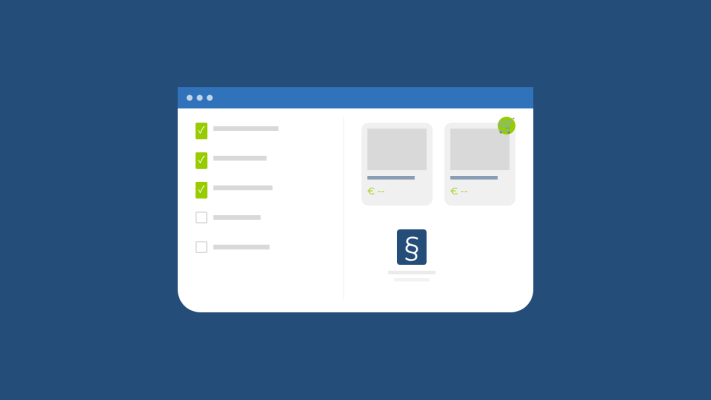
You have a product, a brand name in mind, and the drive to make it happen. Time to launch a webshop! But before that first order comes in, there are several things you need to get right — not just technically, but legally too. Let me walk you through the most important points.
Getting the technical foundation right
A reliable webshop starts with a solid technical setup. It sounds obvious, but this is exactly where many new shop owners cut corners. Here's what you really need to have in place:
Hosting and domain name
Choose reliable European hosting. It keeps your load times low and makes GDPR compliance much easier (more on that shortly). Your domain name should be professional and reflect your brand clearly.
SSL certificate
Running a webshop without HTTPS is simply not an option. Browsers flag unsecured sites as unsafe, and customers will leave immediately. Fortunately, most hosting providers include SSL certificates in their standard packages.
Payment methods
If you're targeting Dutch customers, iDEAL is a must. Complement it with credit card and options like Klarna to cover a wider audience. Payment providers like Mollie or Stripe handle the technical complexity for you and support all major methods.
Speed and mobile experience
More than half of online shopping happens on a smartphone. Your webshop needs to load fast and look great on every screen. This also directly affects your visibility in Google — something I covered in more detail in my earlier post on getting found online as a freelancer.
Legal requirements you can't ignore
This is where many new shop owners run into trouble. Legal requirements might feel like bureaucracy, but they protect both you and your customers.
Terms and conditions and return policy
When selling to consumers, you're required to have clear terms and conditions. In the Netherlands, customers have a standard 14-day right of return. Make sure this is communicated clearly on your website and in your order confirmation emails.
GDPR and privacy policy
The moment someone places an order, you're processing personal data. That means you need a privacy policy explaining what data you collect, why, and how long you keep it. If you use tools like Google Analytics or Meta Pixel, you also need a cookie consent banner that meets GDPR standards.
Business registration and VAT
Make sure your Chamber of Commerce registration covers webshop activities. If you sell to consumers in other EU countries, you'll likely need to deal with the OSS scheme for VAT. This is an area where a good accountant is worth their fee.
Required business information
Dutch law requires you to display your Chamber of Commerce number, VAT number, and contact details clearly on your website. Your footer or a dedicated contact page is the standard place for this.
Custom build or an off-the-shelf platform?
Plenty of new webshop owners start with platforms like WooCommerce or Shopify, and that's a perfectly reasonable first step. But as your business grows, you often hit walls — limited integrations, rigid structures, and rising costs. A custom-built solution in Laravel gives you full control over functionality, integrations, and scalability. I go into more detail on this in my earlier post about why custom Laravel web apps tend to be more future-proof.
Have questions about building a webshop that's technically solid and legally compliant from day one? Feel free to get in touch — I'm happy to help you figure out the best approach for your situation.
Rather have it done than figure it out yourself?
I help businesses in Groningen, across the Netherlands and abroad with exactly this kind of question. Tell me briefly what you need and you will hear back within one working day.
Continue reading